Edited by Hong-Bin Yoon · Founder, zzinDev LLC
Published
The Dangers in My Heart Season 2 Recap
Spoiler Alert: This recap contains detailed plot summaries and may reveal key story events.
TL;DR
The Dangers in My Heart Season 2 is a masterclass in slow-burn romantic progression. Picking up after the winter break, Ichikawa and Yamada’s relationship evolves from awkward almost-confessions to genuine emotional vulnerability, culminating in one of the most satisfying romantic payoffs in recent rom-com anime. The season balances laugh-out-loud comedy with surprisingly tender moments, and the supporting cast gets meaningful development too. If you loved Season 1’s buildup, Season 2 is the reward — this is essential viewing for romance anime fans.
Season Summary
This The Dangers in My Heart Season 2 season 1 recap covers the full arc of Ichikawa and Yamada’s journey from “more than friends” limbo to a decisive turning point. The season builds steadily across several emotional arcs, each one pushing both characters closer to honesty.
Reconnection and New Dynamics (Episodes 1–3)
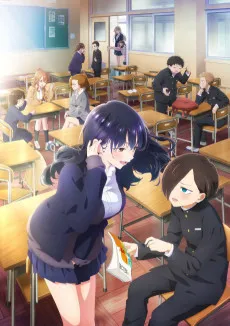
The season opens with Ichikawa and Yamada reuniting after winter break, their bond noticeably stronger than before. There’s a new ease between them — Yamada openly seeks out Ichikawa’s company, and he’s less guarded about enjoying hers. But that closeness brings its own tension. Ichikawa is painfully aware that his feelings have grown beyond friendship, and Yamada’s casual physical affection (sharing food, leaning close, grabbing his sleeve) sends him into constant internal crisis.
These early episodes re-establish the library as their private world while expanding their interactions beyond school. Yamada’s modeling career is picking up, and Ichikawa finds himself navigating the strange reality of liking someone who’s becoming increasingly visible to the public. A key moment comes when Ichikawa accompanies Yamada on an outing and realizes how naturally they fit together — and how terrifying that realization is for a self-proclaimed loner.
The friend groups also begin to intersect more naturally. Adachi and the boys notice Ichikawa’s changed demeanor, while Yamada’s friends — particularly the perceptive Kouda — pick up on the obvious chemistry. The season smartly uses these side characters as mirrors, reflecting what the audience already sees: these two are basically dating without the label.
Growing Pains and Jealousy (Episodes 4–7)
The middle stretch of the season introduces real obstacles, both internal and external. Yamada’s modeling work brings her into contact with other people in the industry, and Ichikawa wrestles with jealousy he doesn’t feel entitled to express. He’s not her boyfriend — so what right does he have to feel uneasy? This internal conflict is handled with remarkable nuance, avoiding the typical anime jealousy tropes in favor of genuine emotional realism.
Ichikawa’s physical growth becomes a subtle but important thread. He’s getting taller, filling out slightly, and the show uses this as a visual metaphor for his emotional maturation. He starts making active choices rather than passively reacting — volunteering to help Yamada, speaking up in group settings, even pushing back when his friends tease him. The boy who spent Season 1 hiding behind edgy fantasies is steadily becoming someone who can stand beside Yamada as an equal.
Yamada, meanwhile, gets her own moments of vulnerability. A particularly strong episode explores her insecurities about being perceived as “just a pretty face” versus being taken seriously. Ichikawa’s genuine interest in her thoughts and feelings — not her appearance — becomes the thing she values most about their relationship. The season handles her perspective with care, ensuring she’s a full character rather than just the object of Ichikawa’s affections.
Major Spoiler — The Almost-Confession
A pivotal scene around Episode 6 sees Ichikawa come dangerously close to confessing, only to pull back at the last moment. What makes this work rather than frustrate is the way the show frames it — Ichikawa isn't being cowardly, he's genuinely uncertain whether confessing would make Yamada uncomfortable or change their dynamic for the worse. It's a moment of emotional maturity disguised as hesitation.Valentine’s Day and Emotional Escalation (Episodes 8–10)
Valentine’s Day serves as the season’s emotional centerpiece and a turning point in this The Dangers in My Heart Season 2 season summary. The buildup spans multiple episodes, with Yamada agonizing over chocolate preparation and Ichikawa trying to convince himself that whatever she gives him is “just obligation chocolate.”
The Valentine’s exchange itself is a beautifully crafted scene. Yamada gives Ichikawa handmade chocolate in a way that makes her feelings unmistakable to everyone except the anxious boy receiving them. The scene plays with the audience’s expectations — we’ve been trained by countless rom-coms to expect interruptions or misunderstandings, but the show lets the moment breathe. Ichikawa’s internal monologue during this scene is peak comedy and heartache simultaneously.
The aftermath of Valentine’s Day shifts the dynamic. Both characters now operate with a quiet understanding that their feelings are mutual, even if neither has said the words. This creates a delicious tension where every interaction carries double meaning. Shared glances linger a beat too long. Accidental touches aren’t really accidental. The friend groups watch with a mixture of exasperation and amusement.
White Day (Episode 10) flips the script as Ichikawa prepares his return gift. His careful, thoughtful approach — choosing something personal rather than expensive — reveals how well he understands Yamada. The gift exchange becomes another step forward, each holiday serving as a checkpoint in their emotional journey.
The Confession Arc (Episodes 11–13)
The final stretch of the season builds toward what fans had been waiting for since Episode 1 of Season 1. The pacing here is exceptional — the show doesn’t rush to a climax but instead layers small, meaningful moments that make the eventual payoff feel earned.
Episode 11 strips away the comedy safety net for extended stretches, letting genuine emotional weight settle over key scenes. Ichikawa confronts the fact that middle school is finite — they won’t be in this comfortable library bubble forever. The ticking clock of graduation, still distant but real, forces him to reckon with what he’ll regret more: the risk of confessing, or the certainty of never having tried.
Yamada’s side of the equation gets crucial screen time in Episode 12. Through conversations with her sister Sanae and her friends, we see that she’s been just as conflicted — wanting Ichikawa to make a move while also questioning whether she should take the leap herself. The show respects both characters’ agency, refusing to assign one the role of “pursuer” and the other “pursued.”
Major Spoiler — The Confession
The season finale delivers one of the most genuinely moving confessions in modern rom-com anime. Ichikawa confesses to Yamada in a moment that's neither grand nor performative — it's quiet, honest, and slightly awkward in the most authentic way. Yamada's response confirms what the audience has known for episodes: she feels the same way. They become a couple. The show earns this moment by spending two full seasons building to it, and the payoff is immensely satisfying. No last-minute interruptions, no misunderstandings, no reset — just two kids being honest with each other.The finale closes with a sense of warm resolution while leaving room for the future. The relationship has changed, but the core dynamic — Ichikawa’s earnest awkwardness, Yamada’s bright warmth, their shared quiet moments — remains intact. It’s an ending that rewards patient viewers without feeling like the story is over.
Highlights & Must-See Moments
- Episode 1: The Reunion — The post-winter-break meeting sets the tone perfectly, showing how much has changed through body language alone before a single word is spoken.
- Episode 6: The Almost-Confession — A masterful scene of tension and emotional authenticity that subverts rom-com conventions by making hesitation feel like growth rather than frustration.
- Episode 8–9: Valentine’s Day — The chocolate exchange is simultaneously hilarious and heartwarming, a two-episode stretch that represents the series at its absolute best.
- Episode 10: White Day — Ichikawa’s return gift scene is a quiet triumph of character writing, showing how far he’s come from the boy who couldn’t even make eye contact.
- Episode 13: The Confession — A finale that delivers exactly what the audience wants without cheapening the journey. One of the best confessions in recent anime history.
Our Take
The Dangers in My Heart Season 2 does something remarkably rare in romance anime: it actually lets its characters get together. In a genre that too often treats the confession as a series finale gimmick or endlessly delays it with manufactured drama, this show trusts that a relationship beginning is just as compelling as the buildup. The result is one of the most satisfying rom-com seasons in years, standing alongside Horimiya and My Dress-Up Darling in the upper tier of modern romance anime — while arguably surpassing both in emotional authenticity.
What elevates this season beyond simple wish fulfillment is the craft. Director Hiroaki Akagi and Shin-Ei Animation deliver consistently expressive character animation that carries enormous emotional weight through subtle gestures — a half-step closer, a hand that almost reaches out, eyes that look away a moment too late. The comedic timing remains razor-sharp, but the show knows exactly when to drop the jokes and let silence do the heavy lifting. Norio Sakurai’s source material was already excellent, and this adaptation honors it beautifully.
Rating: 8.8 / 10 — A near-perfect romantic payoff that rewards two seasons of patience with genuine emotional catharsis.
Where to Watch & Read
-
Watch on HiDive
-
The Dangers in My Heart Vol. 1 by Norio Sakurai — Shop on Amazon
-
The Dangers in My Heart Vol. 2 by Norio Sakurai — Shop on Amazon
-
Anna Yamada Nendoroid Figure — Shop on Amazon