Edited by Hong-Bin Yoon · Founder, zzinDev LLC
Published
MUSHI-SHI The Next Passage Season 1 Recap
Spoiler Alert: This recap contains detailed plot summaries and may reveal key story events.
TL;DR
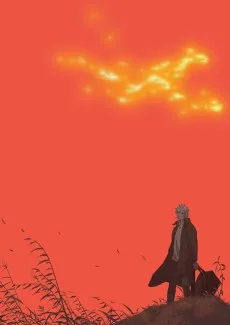
MUSHI-SHI The Next Passage picks up exactly where the original 2005 series left off — Ginko wandering the countryside, encountering people whose lives have been quietly upended by mushi. This second season (airing a full nine years after the first) loses none of the meditative beauty, atmospheric storytelling, or emotional gut-punches that made the original a masterpiece. If you loved the first season, this is more of the same in the best possible way. If you’re new, each episode is largely standalone, but start with season one to fully appreciate the tone. This is peak episodic anime — unhurried, gorgeous, and deeply human.
Season Summary
This MUSHI-SHI The Next Passage season 1 summary covers the first ten episodes that aired in Spring 2014, continuing the adaptation of Yuki Urushibara’s manga. Like its predecessor, each episode is a self-contained story following the traveling mushi-shi Ginko as he encounters different people affected by mushi — primitive, ethereal organisms that exist on the boundary between life and non-life. The season doesn’t follow a continuous plot but instead weaves thematic threads about coexistence, loss, and the invisible forces that shape human lives.
The Return of Ginko — Opening Tales (Episodes 1–3)
The season opens with “Banquet at the Forest’s Edge,” reintroducing us to Ginko’s world with a story about a man named Tatsu who discovers a cup of divine sake connected to the kouki — the river of light from which all life flows. The sake grants visions but comes at a terrible cost, drawing the drinker deeper into the mushi’s domain. It’s the perfect reintroduction: beautiful, melancholic, and a reminder that mushi are neither good nor evil, simply forces of nature.
“The Warbling Sea Shell” follows, telling the story of a young woman who can hear the ocean through a shell-like growth in her ear — a mushi that feeds on sound. Ginko must balance treating the condition against the woman’s attachment to the strange beauty it provides. The episode captures a recurring tension in the series: the line between affliction and gift.
Episode three, “Under the Snow,” explores a village trapped in perpetual winter by a mushi that feeds on warmth. A girl named Mina has adapted to the cold in ways that alarm Ginko, blurring the boundary between human and mushi. These opening episodes reestablish the show’s gentle rhythm — arrive, observe, understand, and try to help without disrupting the natural order.
Lives Entangled with Mushi (Episodes 4–6)
The middle stretch deepens the season’s emotional stakes. “The Hand That Caresses the Night” presents one of the more unsettling stories, involving a painter whose hand moves on its own at night, creating eerie artwork influenced by a mushi living in his shadow. The episode explores artistic obsession and whether inspiration born from something inhuman can still be considered authentic.
“Mirror Lake” is a standout — a story about a man who discovers a lake that perfectly reflects the sky, only for the reflection to begin replacing reality. It’s a gorgeous metaphor for nostalgia and the danger of living in a reflection of the past rather than the present. Ginko’s intervention here is characteristically understated; he doesn’t fight the mushi but helps the affected person understand what they’re truly clinging to.
Episode six, “Floral Delusion,” centers on a woman who can make flowers bloom from her body. What initially seems miraculous becomes increasingly alarming as the mushi’s true nature reveals itself. The episode is a meditation on fertility, motherhood, and the sacrifices people make to nurture life — themes the series handles with remarkable sensitivity.
Consequences and Coexistence (Episodes 7–10)
The back half of the season tackles some of its heaviest material. “Beneath the Patchwork Quilt” tells the story of a fisherman community and a mushi that lives in the deep waters, affecting the nets and livelihoods of the villagers. The fisherman Amimoto must decide whether to fight the mushi or find a way to coexist — a choice that mirrors humanity’s broader relationship with nature.
“The Long Road Home” is among the season’s most emotionally devastating episodes. A man discovers that a mushi has been feeding on his sense of direction, leaving him perpetually lost and unable to return to his family. The metaphor cuts deep — the feeling of being unable to find your way back to the people you love, even when you desperately want to.
Major Spoiler — Episode 9
"The Tree on the Hill" features one of the season's most bittersweet resolutions. A massive tree hosting a colony of mushi has become the spiritual center of a village, but it's slowly draining the life from the surrounding land. The village elder, Houichi, must choose between preserving the tree that defines their identity and saving the land that sustains them. He ultimately lets the tree go — a quiet, devastating act of selflessness that the show frames without melodrama.The season closes with an episode that reinforces the show’s central philosophy: mushi are not enemies to be conquered but part of the ecosystem to be understood. Ginko moves on to the next village, the next mystery, carrying what he’s learned. There’s no grand finale — just the road continuing, which is entirely the point.
Highlights & Must-See Moments
- Episode 1: “Banquet at the Forest’s Edge” — The divine sake sequence is visually stunning and immediately reminds you why this series is special, with the kouki rendered in luminous, flowing animation.
- Episode 5: “Mirror Lake” — The moment the reflection begins overtaking reality is one of the most hauntingly beautiful scenes in the entire franchise.
- Episode 6: “Floral Delusion” — The body horror of flowers blooming from skin is handled with unexpected tenderness, making it disturbing and moving simultaneously.
- Episode 8: “The Long Road Home” — A masterclass in quiet devastation; the final scene of the lost man will stay with you long after the credits roll.
- Episode 9: “The Tree on the Hill” — Houichi’s decision to let the tree fall is the season’s most powerful single moment, a microcosm of every theme the show explores.
Our Take
MUSHI-SHI The Next Passage season 1 recap wouldn’t be complete without acknowledging the near-miracle of its existence. Nine years between seasons is an eternity in anime, yet Artland returned with a continuation that feels seamless — same director (Hiroshi Nagahama), same composer (Toshio Masuda), same unhurried confidence. In an industry obsessed with escalation and spectacle, Mushi-shi remains defiantly quiet. It shares DNA with shows like Natsume’s Book of Friends and Kino’s Journey, but where those series build recurring casts, Mushi-shi keeps Ginko perpetually solitary, making each encounter feel more transient and precious.
What this season does exceptionally well is trust its audience. There are no exposition dumps, no recaps, no concessions to viewers who might want faster pacing. Each episode breathes. The result is anime that functions more like a short story collection — literary, atmospheric, and deeply rewarding for those willing to meet it on its terms. It’s not for everyone, but for those it clicks with, nothing else in the medium comes close.
Rating: 8.8 / 10 — A near-flawless return that proves some stories only get richer with patience.
Where to Watch & Read
-
Watch on HIDIVE
-
Mushishi Deluxe Edition Vol. 1 by Yuki Urushibara — Shop on Amazon
-
Mushishi Complete Series Blu-ray — Shop on Amazon